Financial education and literacy play a crucial role in helping individuals navigate today’s complex financial world. From managing daily expenses to making long-term investment decisions, understanding how money works empowers people to take control of their financial future. Without basic financial knowledge, even high incomes can be mismanaged, leading to stress and uncertainty.
What Is Financial Education & Literacy?
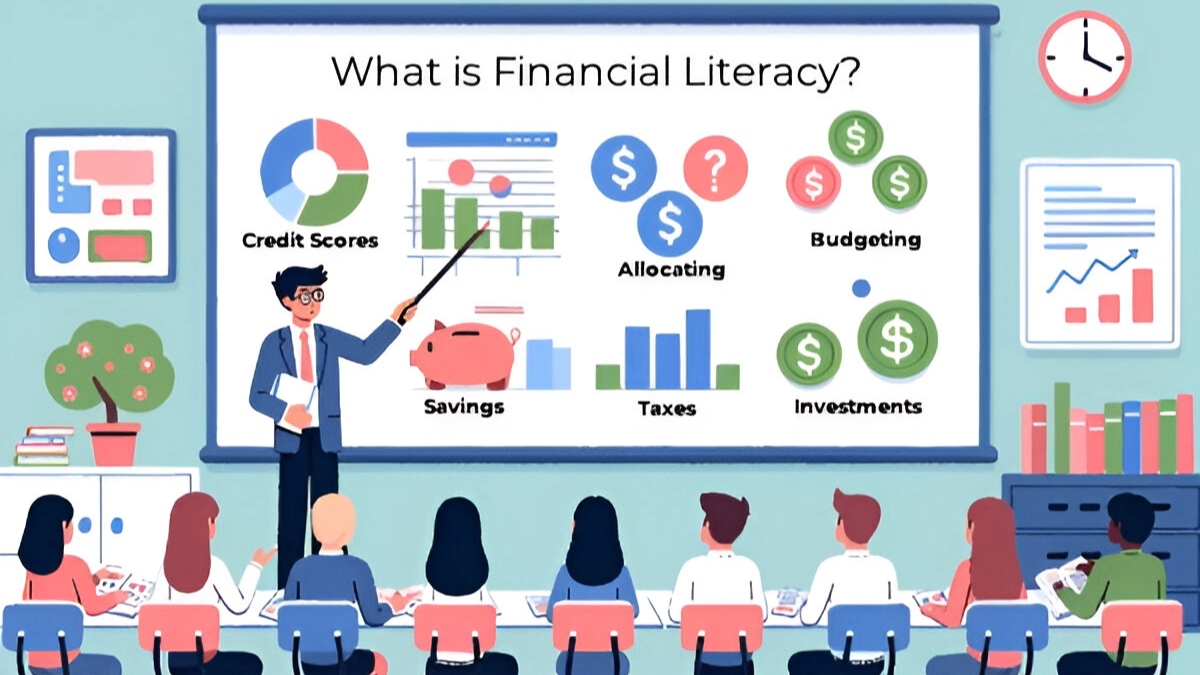
Financial literacy refers to the ability to understand and use essential financial skills such as budgeting, saving, investing, and managing debt. Financial education is the process of learning these skills and applying them in real-life situations.
Together, they provide a foundation for making informed decisions, avoiding common financial mistakes, and planning effectively for the future. Financial literacy is not about becoming an expert; it is about gaining clarity and confidence when dealing with money.
Why Financial Literacy Matters
Money affects nearly every part of life. Poor financial decisions can result in long-term consequences, while informed choices can create stability and growth.
Financially educated individuals are better equipped to:
-
Manage income and expenses responsibly
-
Save consistently for emergencies and goals
-
Understand investment risks and rewards
-
Avoid excessive debt and financial scams
Financial literacy also reduces financial anxiety by replacing confusion with understanding.
Core Areas of Financial Education
One key area is budgeting, which helps track income and expenses. A simple budget provides clarity on where money is going and highlights opportunities to save.
Another important area is saving and emergency planning. Setting aside funds for unexpected expenses protects against financial shocks and reduces reliance on credit.
Debt management is equally important. Understanding interest rates, repayment terms, and credit behavior helps individuals avoid long-term debt traps.
Finally, investing basics introduce concepts such as risk, diversification, and long-term growth. These principles help people grow wealth responsibly rather than chasing quick returns.
Financial Education in a Digital World
The rise of online banking, digital payments, and investment platforms has made financial access easier than ever. However, it has also increased exposure to misinformation and financial fraud.
Financial education helps individuals evaluate online offers critically, understand digital financial tools, and protect themselves from scams. Being informed is the first line of defense in the digital financial environment.
Long-Term Benefits of Financial Literacy
Financial literacy creates habits that lead to long-term success. People who understand money tend to plan ahead, make thoughtful decisions, and adjust strategies as life circumstances change.
Over time, these habits support:
-
Greater financial independence
-
Improved decision-making under pressure
-
Better preparation for retirement
-
Stronger protection against financial risk
Education allows individuals to build wealth steadily rather than relying on chance.
How to Improve Financial Literacy
Improving financial literacy starts with curiosity and consistency. Reading reliable financial content, tracking personal finances, and learning from real-world experiences all contribute to growth.
Setting small, achievable financial goals encourages progress. Over time, knowledge compounds just like money, leading to better outcomes and stronger confidence.